
24/7 Call Answering for Roofing Contractors
· 6 min read
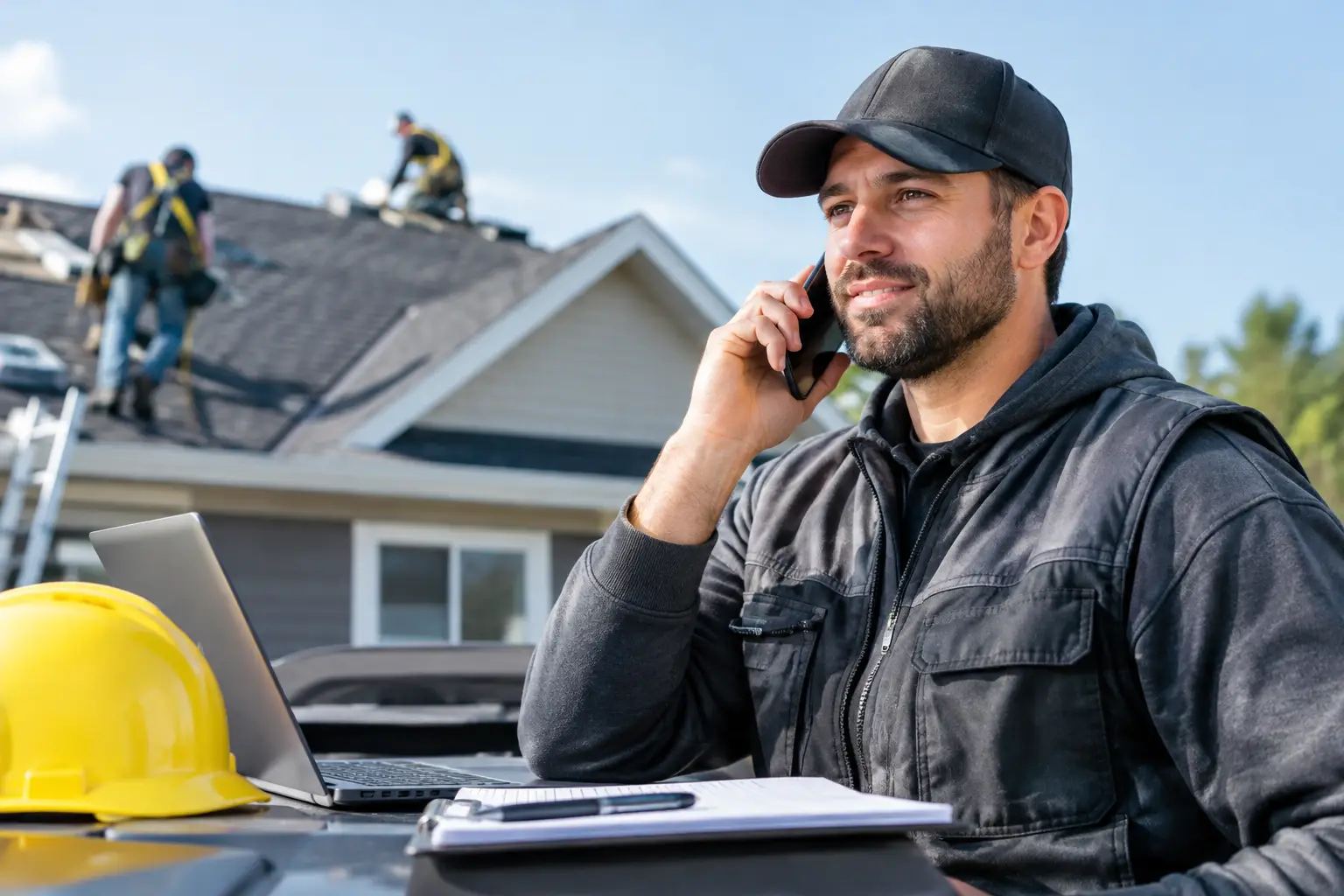
A homeowner does not wait until Monday to call about a roof leak. They call when water is spreading across a ceiling at 9:40 p.m., when wind damage is visible after a storm, or when they finally have five minutes between meetings. For a roofing company, 24/7 call answering for roofing contractors is not just about sounding available. It is about capturing the job before the caller reaches the next company on the search results page.
When you are on a roof, driving between estimates, or managing a crew after a weather event, picking up every call is not realistic. Voicemail is not a reliable backup. Many callers will hang up without leaving a message, especially when they believe the issue is urgent. The result is a lead you already paid to generate through referrals, yard signs, local search, or advertising - and a job that goes somewhere else because nobody answered.
Why missed calls cost roofers more after hours
Roofing calls often come with a short decision window. A homeowner dealing with an active leak wants reassurance and a next step now. A property manager facing storm damage may be calling several companies at once. Even a non-emergency caller who wants an estimate is likely contacting roofers while they are motivated, not planning to chase down a callback tomorrow.
The issue gets worse during the moments when your team is busiest. Heavy rain, hail, wind, and seasonal storms can create a sudden rush of calls. Your phone may ring while crews are securing tarps, inspecting damage, or handling existing customers. A missed call during that surge is not a minor inconvenience. It can be the difference between filling next week's schedule and handing work to a competitor.
A live answer gives callers confidence that they reached a real operating business. It also gives your company a chance to collect the details that make a callback useful: the property address, roof type if known, visible damage, whether water is actively entering the home, insurance status, availability, and the best contact number.
What effective 24/7 call answering for roofing contractors looks like
Not every after-hours call needs the owner pulled out of bed. That is why the quality of the intake matters as much as answering the phone.
A capable call-answering setup should greet callers using your business name and follow a conversation built around your actual workflow. It should separate a routine estimate request from an active water intrusion issue, gather complete lead information, and book inspections directly onto the calendar you use. The caller should receive a confirmation text so they know the request was received and what happens next.
For urgent situations, the system needs clear escalation rules. If a caller reports water entering the property, dangerous debris, a compromised roof after severe weather, or another situation your company defines as urgent, the owner or on-call team member should be alerted immediately. That does not mean every caller is treated like an emergency. It means the calls that truly require action do not sit in a voicemail inbox.
This is where a generic message-taking service can fall short. A basic service may record a name and number, but roofing leads are more valuable when they are qualified and routed correctly. The goal is not simply to answer the line. The goal is to turn a live caller into a scheduled inspection, an informed callback, or an appropriately escalated job.
The conversation should match the job
A roofing caller has different needs than someone calling a general office. A useful intake asks practical questions without making the caller feel interrogated. Are they dealing with a leak now, storm damage, missing shingles, or a planned replacement? Is the property residential or commercial? What is the service address? Is there a safe time for an inspection?
The answers help your team arrive prepared and prioritize the right work. They also prevent the common morning scramble of listening to incomplete voicemails, calling people back repeatedly, and trying to reconstruct what happened overnight.
Fast response matters before the details do
Callers notice the first few seconds. If the phone rings too long, goes to voicemail, or receives an unclear automated greeting, confidence drops quickly. A prompt, conversational response tells the customer someone is accountable for the call.
That matters even when the appointment is days away. A homeowner requesting a replacement estimate may not need immediate dispatch, but they still want confirmation that the request did not disappear. Fast answering followed by a scheduled visit and text confirmation gives them a reason to stop calling around.
Keep your number and your customer relationship
Many roofing contractors hesitate to change call handling because their phone number is tied to truck wraps, yard signs, Google Business Profile listings, referrals, and years of marketing. That concern is valid. Your number is part of your business identity.
The right setup works behind the number you already advertise. Calls can be forwarded to an AI receptionist without porting your number, replacing your carrier, buying equipment, or asking your crews to learn a new phone system. If you want to stop or change the setup, you retain control because your established number and customer relationships stay with your company.
For a small operation, that simplicity is not a minor feature. You do not need a telecom project when you are trying to finish jobs, respond to weather, and keep payroll moving. The system should be easy to activate, easy to monitor, and easy to adjust as your service area, on-call rotation, or calendar availability changes.
Where the return shows up
The value of around-the-clock answering is not only found in emergency calls. It appears across the full lead flow.
First, fewer marketing dollars are wasted. If a homeowner calls from a search ad or a local listing and gets an immediate response, you have a real chance to earn that inspection. Second, office pressure drops. Instead of starting each day with a backlog of missed calls, your team can review captured leads, booked appointments, and transcripts with context already attached.
Third, the customer experience becomes more consistent. A lead who calls at lunchtime and a lead who calls on a Sunday night should both get a clear response. That consistency is especially valuable during storm-driven call spikes, when the companies that answer professionally can stand out without asking an owner to personally cover every hour.
There is a trade-off to consider. A call-answering system is only as useful as its instructions. If your calendar is outdated, your service area is unclear, or no one is assigned to urgent notifications, the caller experience can still break down. Before activating coverage, define your inspection availability, emergency criteria, service boundaries, and who receives escalations. Review early calls and refine the questions based on what your team actually needs to know.
A practical setup for a roofing business
Start with the calls you currently miss. Look at evenings, weekends, lunch hours, job-site hours, and weather events. Identify what should happen when someone requests an estimate, reports an active leak, asks about storm damage, or needs to reschedule an appointment.
Then make sure the answering flow can book only the appointment types and time slots you truly offer. An estimate request might go directly to an inspection calendar. An emergency may trigger an immediate text or call to the on-call contact. A request outside your service area can be handled courteously without promising work your crew cannot take.
Finally, make follow-up visible. Searchable transcripts and lead records let you see exactly what a caller said, whether an appointment was booked, and where a lead may need a personal callback. Automated missed-call rescue texts add another layer of protection when a call cannot be connected as expected.
Nexara is built for this kind of field-service workflow: your existing number forwards in, callers get a fast response, complete details are captured, and urgent situations can reach the right person without turning every incoming call into an interruption.
The next roof job may come in while your crew is halfway through another one, after the office has closed, or during the first hour of a storm. Make sure that caller reaches a clear next step while they are still ready to hire.