
How to Handle Plumber Emergency Calls After Hours
· 7 min read
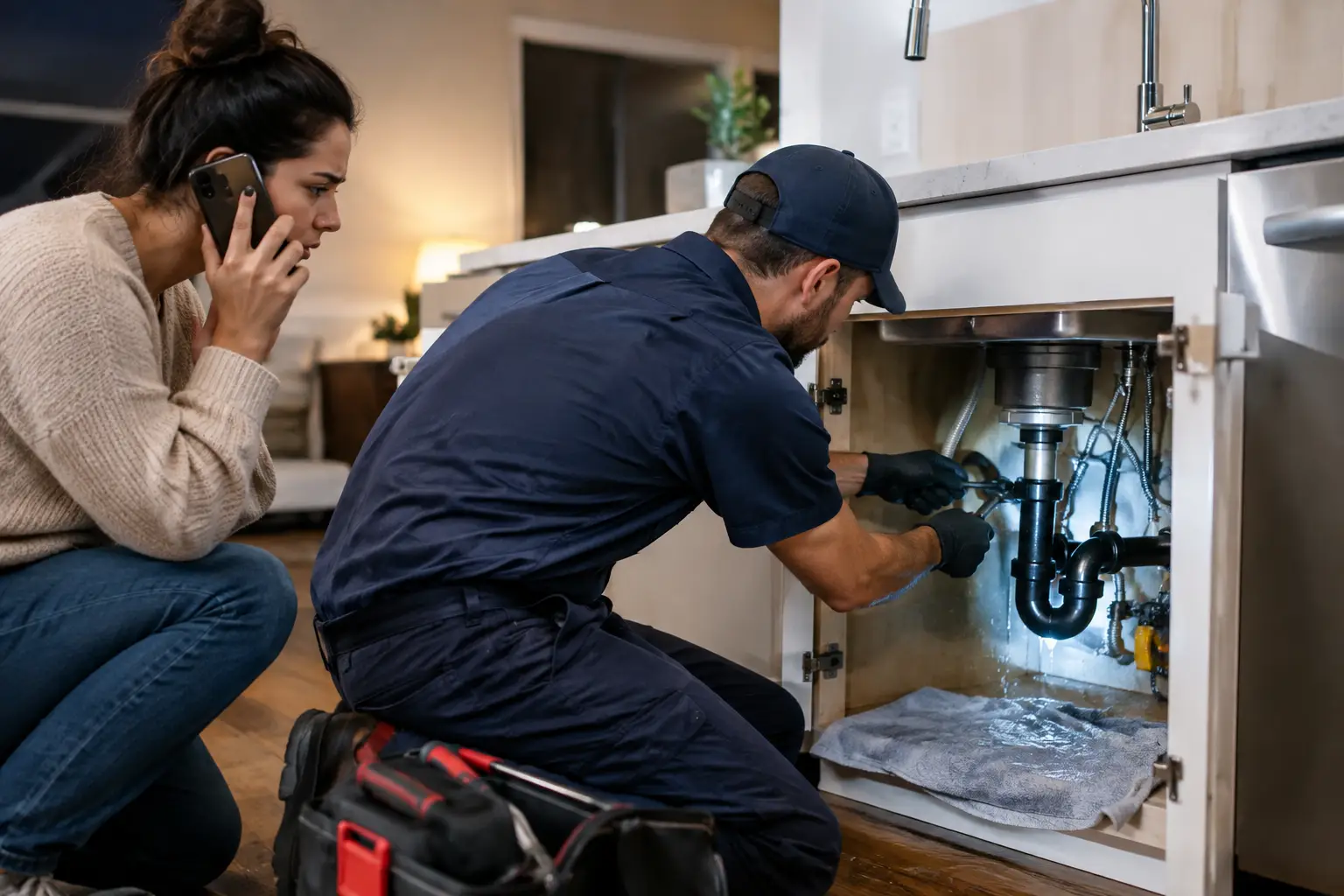
A homeowner hears water running behind a wall at 11:40 p.m. They are not comparing plumbing websites for long. They call the first company that sounds available, calm, and able to help. Knowing how to handle plumber emergency calls means protecting that customer from more damage while protecting the job your marketing worked hard to earn.
For a one-to-five-truck plumbing business, the challenge is rarely knowing how to fix a burst line or failed water heater. The challenge is getting the call answered, identifying the actual risk, reaching the right person, and giving the customer clear next steps while your team is in the field or off the clock.
How to Handle Plumber Emergency Calls Without Guesswork
An emergency-call process needs to do four things in order: make contact immediately, triage the situation, dispatch or schedule correctly, and document the handoff. If any one of those steps breaks down, you can lose the job or, worse, leave a customer unsure what to do while water keeps spreading.
Speed matters, but speed without structure creates expensive mistakes. Not every after-hours plumbing call needs a truck rolling immediately. A dripping faucet can usually wait. A burst supply line flooding a finished basement cannot. Your call handling should separate those situations in minutes, not after a long back-and-forth or a voicemail callback the next morning.
Start with safety and damage control
The first voice on the line should not diagnose from a distance. It should confirm the customer is safe and help them reduce active damage. Ask whether anyone is injured, whether water is near electrical panels, outlets, or appliances, and whether the caller smells gas or suspects a gas leak.
If there is a suspected gas leak, fire risk, serious injury, or immediate electrical hazard, instruct the caller to leave the area and contact 911 or their gas utility as appropriate. A plumbing company should not position itself as emergency services in a life-safety situation.
For water-related emergencies, guide the customer toward the main shutoff if they can safely reach it. Ask whether the leak is still active, whether they can isolate a fixture shutoff, and whether they have turned off power near standing water. Keep instructions plain. A frightened homeowner does not need a lesson in plumbing terminology - they need the next safe action.
Collect the details a technician needs
Once immediate safety is addressed, capture enough information to make a dispatch decision. The person answering should confirm the caller's name, callback number, service address, and whether they own or manage the property. Then gather the problem details: where the leak or backup is occurring, when it started, whether water is actively flowing, and what the customer has already done.
A strong intake also asks about access. Is it a single-family home, apartment, commercial building, or rental? Is there a gate code, tenant, or property manager involved? Are there pets on site? These details sound small until an on-call technician is standing outside a locked building at 1 a.m.
Do not promise a repair outcome before the technician sees the issue. Set the right expectation instead: the technician will assess the problem, stop or contain damage where possible, explain the repair options, and discuss pricing before proceeding with work beyond the service call terms.
Build a Simple Emergency Triage System
Your team should not have to invent a decision on every call. Create a short set of urgency levels that the owner, dispatcher, and after-hours call handler use the same way.
Level 1: Dispatch now. This includes active flooding, burst pipes, major drain or sewer backups inside the building, a water heater leaking heavily, loss of water in certain commercial settings, or a leak affecting electrical equipment. These calls need an on-call technician alert and a realistic arrival window.
Level 2: Priority next available. Examples include a toilet backup with no overflow, a failed water heater without active flooding, a fixture leak that has been shut off, or a drain issue that has stopped using a kitchen or bathroom but is not creating property damage. Book the earliest workable slot and explain what the customer can do until then.
Level 3: Routine appointment. Slow drains, minor drips, running toilets, low water pressure, and non-urgent fixture issues generally belong on the next regular opening. They still deserve a fast response because the customer may call another company if they hear nothing.
The trade-off is customer experience versus unnecessary after-hours cost. If you dispatch everyone as an emergency, you burn out technicians and train customers to expect midnight service for routine problems. If you treat every call as routine, you lose high-value emergency work and risk damage to a customer's property. Clear triage keeps both problems in check.
Define who gets alerted and when
An emergency process fails when the caller hears, “Someone will call you back,” but no one owns the next move. Set one primary on-call technician and one backup. Define the escalation path if the primary does not acknowledge within a specific window, such as five minutes.
The alert should include the service address, callback number, problem summary, urgency level, whether the water is shut off, and any access notes. That lets the technician call the customer prepared instead of starting intake from zero while driving.
For smaller shops, the owner may be the first escalation contact. That is workable only if the calls are consistently captured and routed. You cannot respond to an emergency you never knew about because it went to voicemail while you were under a house or running a job.
Give Customers an Accurate Arrival Window
Avoid saying “we’ll be right there” unless a truck is genuinely minutes away. A better promise is specific and controlled: “Your on-call technician has been notified. Expect a call within five minutes to confirm the estimated arrival time.”
Once the technician accepts the job, send a confirmation text with the company name, appointment details, and the next expected contact. If the arrival time changes, update the customer before they have to chase you. Emergency customers are often watching water damage grow in real time. Silence feels like abandonment.
For calls that are scheduled rather than dispatched, send the booking confirmation immediately. Include the appointment window and a brief note about what the customer should do in the meantime, such as keeping the affected fixture off or avoiding drain use. The goal is not just to get the slot on the calendar. It is to make the customer confident they chose a company that has the situation under control.
Use Call Handling That Works When You Cannot Answer
Most plumbing owners do not miss calls because they do not care. They miss calls because they are driving, working through a repair, talking to a customer in person, or asleep after a long day. A live after-hours process closes that gap without forcing you to hire a full-time receptionist.
A conversational receptionist can answer under your existing business number, collect the details above, book routine work directly onto your calendar, and escalate true emergencies to the right on-call contact. Nexara is built for that workflow, including immediate emergency escalation, appointment booking, confirmation texts, and searchable call records. Your customers still call the same number they already know, and you keep control of the customer relationship.
The setup should be easy to test. Call your own number after hours and act like a customer with an active leak. Check whether the caller gets a clear response, whether the right questions are asked, whether the alert reaches the technician, and whether the booking or dispatch details are complete. Test in English and, if your market calls for it, in Spanish or other common local languages.
Review the Calls That Did Not Convert
Not every plumbing emergency call becomes a job. Sometimes you are too far away, fully booked, or dealing with a problem outside your scope. Those calls still tell you where the process needs work.
Review missed calls, call transcripts, abandoned calls, and after-hours requests every week. Look for repeat failures: callers hanging up before an answer, incomplete addresses, vague problem notes, slow escalation, or dispatches that should have been scheduled for morning. Also track how many emergency calls become completed jobs and how much revenue comes from after-hours bookings.
This is where a disciplined process pays for itself. A single saved burst-pipe call can cover months of better call handling. More importantly, the customer remembers who answered when their floor was wet and they needed a straight answer.
When the next emergency call comes in, your job is not to sound dramatic or make promises you cannot keep. Be reachable, get the facts, reduce immediate risk, and move the right person into action. That is the kind of reliability customers talk about long after the water is cleaned up.