
Roof Storm Damage Call Intake That Wins Jobs
· 6 min read
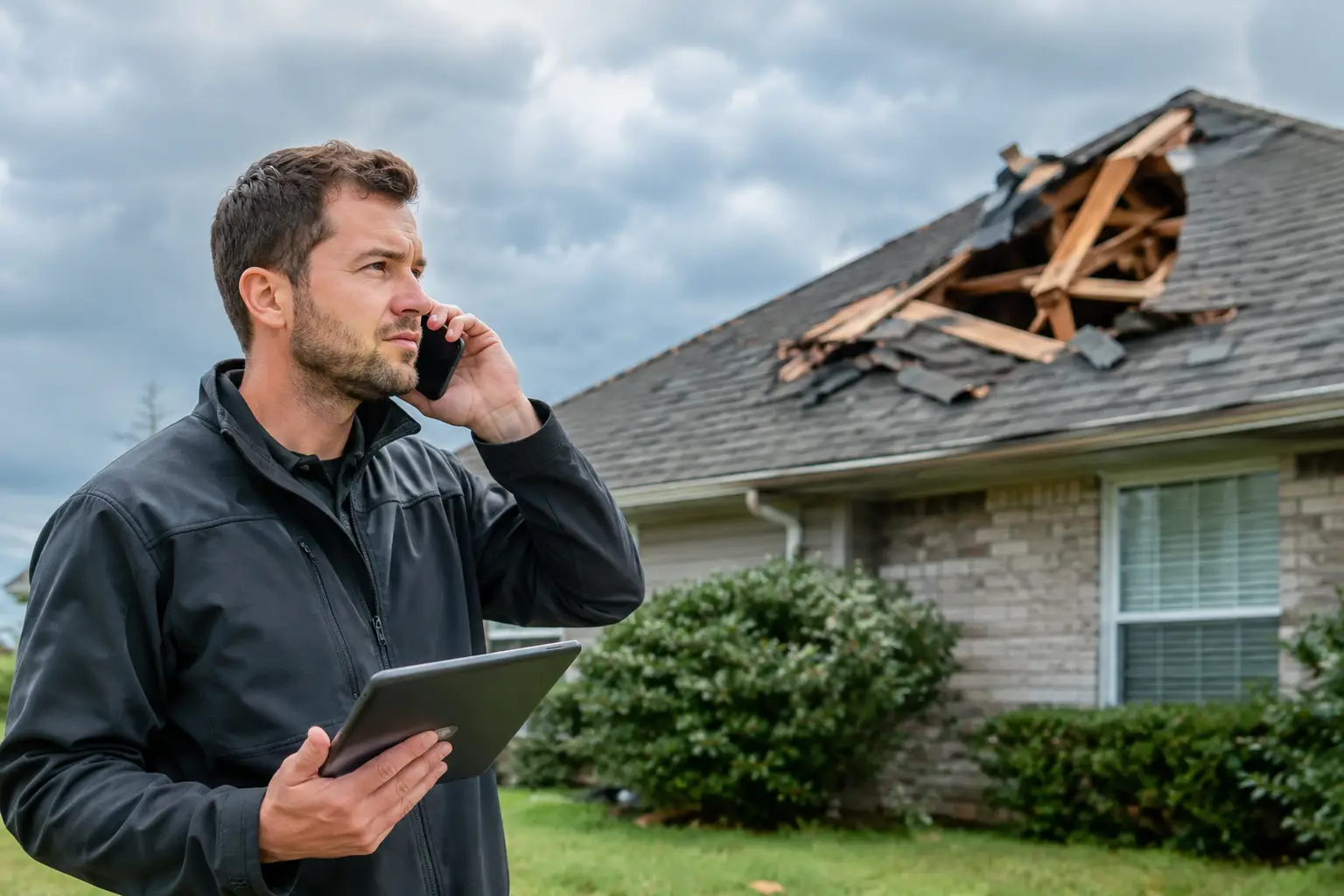
A storm can turn a quiet roofing phone line into 30 calls before lunch. The contractor who answers first is not always the one who wins the work. The winner is usually the one with a roof storm damage call intake process that makes a worried caller feel heard, identifies real urgency, captures usable details, and gives the next step before they hang up.
For a one-to-five-truck roofing operation, that process cannot depend on someone sitting by the phone. Your crew may be on steep roofs, driving between inspections, or dealing with an active leak at an existing job. When storms hit, missed calls are not just missed messages. They are paid marketing leads calling the next roofer.
Why storm calls need a different intake process
A routine roof inquiry can wait for a return call. A storm-damage caller often cannot. They may have water entering the home, exposed decking, a tarp request, insurance questions, or simply fear that the damage will get worse overnight. They are looking for direction and a credible appointment, not a generic promise that someone will call back.
Storm volume also creates a sorting problem. Every caller deserves a response, but not every call needs the owner pulled off an active emergency. If intake treats every storm call the same, the schedule fills with low-detail requests while urgent water intrusion gets buried in voicemail.
The right approach separates three outcomes: immediate escalation for active threats, fast scheduling for inspection-ready leads, and clear follow-up for requests that need a later callback. That keeps the crew focused without leaving a caller in the dark.
Build your roof storm damage call intake around the next action
The first job of the person or system answering is to establish calm control. Start by confirming the business name, acknowledging the storm situation, and asking whether water is actively entering the property or whether there is another immediate safety concern. Avoid promising arrival times that dispatch has not approved. A rushed promise may win a moment of relief, then create a bad customer experience when the crew cannot meet it.
If there is active water intrusion, a tree impact, exposed openings, or a situation where the property cannot reasonably wait, the call should be escalated according to your on-call rules. That might mean alerting the owner or on-call technician with a concise summary and the caller's best callback number. The caller should know the request has been sent for urgent review, not left wondering whether anyone received it.
For non-emergency damage, move directly to the inspection path. Ask for the address, the type of property, a brief description of what the caller sees, and their preferred inspection window. If your calendar has protected storm-assessment slots, book one while the caller is still on the line. A scheduled inspection is more valuable than a name and number on a loose note.
Capture details a roofer can use
A storm lead is only useful if your team can act on it. The intake record should provide enough context for dispatch to prioritize the call and for the inspector to arrive prepared. At a minimum, collect:
- Caller name, callback number, property address, and email when available
- Whether water is actively entering the property or the issue appears contained
- The damage type, such as missing shingles, lifted material, puncture, debris impact, or visible interior leak
- Property type and roof access considerations, including gate codes or pets when the caller volunteers them
- Insurance status or whether the caller plans to file a claim, without giving coverage advice
- Preferred appointment times and any photos the caller says they can provide later
Do not turn intake into an interrogation. A caller standing under a ceiling drip does not need a twenty-question form. Get the information required to route the work, then let the inspector handle the detailed assessment on site.
Define what counts as an emergency before the phone rings
Emergency escalation should be specific enough that whoever answers can make the right call consistently. Active interior water entry, major wind-created openings, tree or debris impacts, and damage threatening an occupied area may warrant an immediate alert. A caller who saw a few shingles in the yard but has no active leak may be better served with the earliest available inspection slot.
The exact threshold depends on your service area, crew capacity, and whether you offer temporary protection after hours. A company with a dedicated emergency crew can route more calls to urgent response. A smaller operation may need to reserve escalations for active property exposure and use a next-morning inspection block for the rest.
What matters is that your answering workflow matches your actual operating capacity. Never let the phone promise 24-hour field response if your team does not provide it. You can still answer immediately, gather the lead, set expectations, and ensure the right person sees the request first thing.
Make scheduling part of the conversation
Storm leads cool quickly. If a caller ends the conversation with, “Someone will call you,” they may keep dialing until another company puts a time on the calendar. Booking during the call gives the homeowner a concrete next step and protects the money you spent generating the lead.
Keep storm inspection availability visible and realistic. Leave enough buffer for travel, assessments that run long, and emergency dispatches. It is often smarter to offer fewer bookable windows that your team can honor than to fill every hour and spend the day moving appointments.
Confirmation matters too. Send an immediate text that repeats the appointment window, property address, and what happens next. If the caller needs to send photos, the confirmation can tell them where to reply. A short follow-up message the day before or the morning of the inspection reduces no-shows and gives the customer confidence that they are still on the schedule.
Cover after-hours calls without losing control
Many roofing storm calls happen after the office is closed, when wind picks up or a homeowner notices a leak at night. Voicemail is a poor intake tool for those moments. Callers rarely leave every detail you need, and many will not wait for a morning return call.
A conversational AI receptionist can answer under your existing business number, ask the questions your dispatcher would ask, book approved inspection slots, and trigger an immediate alert when your emergency rules are met. With Nexara, the setup can work through call forwarding, so you keep your number, your carrier relationship, and the identity customers already recognize.
The useful feature is not automation for its own sake. It is continuity. Calls get answered in seconds, the lead record is searchable, and the owner receives the urgent details without having to listen through a long voicemail. If a caller hangs up or reaches a missed-call scenario, a prompt text can also give them a way back into the booking process.
Review the calls that did not become jobs
After a storm, do not judge intake only by the number of calls answered. Review how many calls resulted in booked inspections, how quickly urgent calls were escalated, and how many callers abandoned before a person or system collected details. Those numbers show whether your weak point is response speed, script quality, calendar availability, or follow-up.
Listen for common friction. Maybe callers regularly ask whether you serve their neighborhood, but the answer is buried. Maybe the team asks for photos before offering an appointment, causing callers to stall. Maybe the calendar is full for four days after every major storm, which means your intake process needs a waitlist or a clearer priority system.
Call transcripts are especially useful when refining your script. You can see the real words customers use, the questions they ask repeatedly, and the moments where the conversation loses momentum. Then adjust the workflow before the next storm, not in the middle of one.
A strong roof storm damage call intake process does not make the weather easier. It makes sure the next homeowner who needs help reaches a business that is ready to respond, schedule, and follow through.